
How to Compare Contractor Estimates: Scope, Costs and Red Flags
Compare contractor estimates by making the scope match before comparing the price. Check preparation, materials, labor, exclusions, allowances, schedule, and payment terms. A missing item is an unanswered question, not a zero-dollar cost.
The Federal Trade Commission advises getting multiple written estimates and asking why prices differ. A useful estimate identifies the work, materials, completion date, and price. The lowest total alone does not establish the best choice.
1. Give every contractor the same project brief
Write a short description of the result you want. Include the rooms and surfaces, approximate measurements, known damage, desired materials, access limits, and the date you need the space back. Share the same photos and updates with each contractor. Ask them to inspect conditions that could change the work.
- Name what stays and what will be removed.
- Separate required work from optional upgrades.
- State whether you or the contractor will buy the materials.
- List who moves furniture, protects adjoining areas, and disposes of debris.
- Identify any parts you plan to do yourself and ask whether the contractor accepts that handoff.
Still deciding whether to hire? Start with DIY or Hire a Painter or DIY or Hire a Tile Installer. These guides help define the preparation and installation work before you request prices.
2. Check what each estimate actually includes
Read line by line and mark each item included, excluded, allowance, or unknown. Ask for written clarification when the wording is vague. “Paint room” and “install tile” leave too much room for different assumptions.
- Preparation: Cleaning, repair limits, removal, substrate work, priming, or waterproofing as the project requires.
- Materials: Product line, size, finish, quantities or coverage, and who supplies each item.
- Labor: Which tasks are included and whether another trade is needed.
- Completion: Cleanup, waste removal, touch-ups, testing where applicable, and return-to-use instructions.
- Administration: Permit and inspection responsibilities, taxes, delivery, and written exclusions.
For painting, ask about walls versus ceilings and trim, repair extent, primer, paint line, sheen, and coats. For tile, ask about substrate preparation, the proposed installation assembly, waterproofing where needed, layout, edge finishes, and transitions. Compare these details before treating the totals as equivalent.
3. Separate allowances from fixed prices
An allowance is an amount set aside for an item whose final selection or cost may still be open. Ask what it covers, how the final charge is calculated, whether labor and markup are included, and how unused allowance is credited. Do not assume every contractor uses the term the same way.
Illustrative example, not market pricing: Estimate A is $4,000 and already includes a $500 material allowance. Your selected materials will cost $800 on the same pricing basis. The adjustment is $300, so the comparison total becomes $4,300 before any other agreed changes. Adding the full $800 would count the original $500 twice.
If Estimate B is $4,200 and includes those same selected materials, B is lower on this comparison only if the rest of the scope, tax treatment, and charges also match. Keep unpriced repairs or exclusions visible beside both totals. Ask for revised written estimates instead of inventing prices for missing work.
4. Compare the schedule and payment milestones
Ask for estimated start and completion dates, expected room downtime, and dependencies such as delivery, inspections, curing, or other trades. Find out how delays will be communicated. A short work schedule may still include days when the room cannot be used.
Request the deposit, progress payments, and final payment conditions in writing. Tie your review to the agreed scope and milestones. Deposit limits and contract requirements vary by location; check the relevant local authority rather than applying a universal percentage. The FTC warns against paying the full amount upfront.
5. Agree how changes will be approved
Ask what happens if removal reveals damage or you choose a different finish. A clear change process records the added or removed work, price effect, schedule effect, and approval before the extra work proceeds. Keep those changes with the original agreement.
If a contractor proposes an open-ended repair allowance, ask what evidence you will receive, how the price is set, and when you can decide whether to proceed. Unknown conditions should remain visible in your budget until they are assessed.
6. Verify the contractor as well as the estimate
Confirm the business identity, relevant insurance, and any license required for the work with the appropriate issuer or authority. Ask for references from comparable completed projects, including how changes and problems were handled. A polished estimate is useful, but it is not proof of workmanship.
Read the agreement carefully before signing. Check that verbal promises appear in writing and that the final contract matches the scope you compared. This guide is a planning aid, not a substitute for local contract requirements.
Warning signs that deserve a pause
- Pressure to sign immediately before you can compare the scope.
- Demands for full payment upfront or payment methods you cannot readily trace.
- Refusal to identify products, exclusions, or preparation in writing.
- A very low total with major tasks left unexplained.
- Promises made in conversation that disappear from the agreement.
- Unverifiable business details, credentials, or insurance documentation.
A price difference is a reason to ask questions, not automatic proof of dishonesty. Give the contractor a chance to explain the scope. If the answer remains unclear, keep comparing rather than filling the gaps yourself.
Download the contractor estimate comparison sheet
Use the free text worksheet below for up to three contractors. Open it in a text editor or word processor, fill in each section, and save your own copy. It includes scope, allowances, exclusions, payment milestones, credentials, warranties, and unresolved questions.
View and copy the worksheet
CARDINAL DECOR | CONTRACTOR ESTIMATE COMPARISONHow to Compare Contractor Estimates: Scope, Costs and Red FlagsProject: ____________________ Date: ____________________ Shared scope sent to every contractor: ____________________ Use one section per estimate. Write UNKNOWN for missing details, not zero. This is a planning worksheet, not a contract or contractor endorsement. CONTRACTOR A Contractor / contact: ________________________________________ Estimate date / valid until: ________________________________________ Rooms, surfaces and measurements: ________________________________________ Preparation and repairs: ________________________________________ Products, quantities and finish: ________________________________________ Removal, protection and disposal: ________________________________________ Permits / inspections / responsible party: ________________________________________ Labor and subcontractors: ________________________________________ Written total and tax treatment: ________________________________________ Allowances and their limits: ________________________________________ Exclusions and priced additions: ________________________________________ Unpriced items needing clarification: ________________________________________ Deposit and payment milestones: ________________________________________ Start / completion / room downtime: ________________________________________ Change-order approval process: ________________________________________ License / insurance verification: ________________________________________ Comparable references checked: ________________________________________ Warranty and exclusions: ________________________________________ Final walkthrough / cleanup: ________________________________________ Open questions and next action: ________________________________________ CONTRACTOR B Contractor / contact: ________________________________________ Estimate date / valid until: ________________________________________ Rooms, surfaces and measurements: ________________________________________ Preparation and repairs: ________________________________________ Products, quantities and finish: ________________________________________ Removal, protection and disposal: ________________________________________ Permits / inspections / responsible party: ________________________________________ Labor and subcontractors: ________________________________________ Written total and tax treatment: ________________________________________ Allowances and their limits: ________________________________________ Exclusions and priced additions: ________________________________________ Unpriced items needing clarification: ________________________________________ Deposit and payment milestones: ________________________________________ Start / completion / room downtime: ________________________________________ Change-order approval process: ________________________________________ License / insurance verification: ________________________________________ Comparable references checked: ________________________________________ Warranty and exclusions: ________________________________________ Final walkthrough / cleanup: ________________________________________ Open questions and next action: ________________________________________ CONTRACTOR C Contractor / contact: ________________________________________ Estimate date / valid until: ________________________________________ Rooms, surfaces and measurements: ________________________________________ Preparation and repairs: ________________________________________ Products, quantities and finish: ________________________________________ Removal, protection and disposal: ________________________________________ Permits / inspections / responsible party: ________________________________________ Labor and subcontractors: ________________________________________ Written total and tax treatment: ________________________________________ Allowances and their limits: ________________________________________ Exclusions and priced additions: ________________________________________ Unpriced items needing clarification: ________________________________________ Deposit and payment milestones: ________________________________________ Start / completion / room downtime: ________________________________________ Change-order approval process: ________________________________________ License / insurance verification: ________________________________________ Comparable references checked: ________________________________________ Warranty and exclusions: ________________________________________ Final walkthrough / cleanup: ________________________________________ Open questions and next action: ________________________________________ DECISION RECORD Estimates now cover the same scope? ____________________ Unresolved items / written answers still needed: ____________________ Chosen contractor and reasons: ____________________ Contract checked against final estimate? ____________________ Compare complete written scopes before prices. Keep original estimates. Do not count an allowance twice when comparing an upgraded selection. Verify applicable credentials with the issuing authority. Consumer guidance: https://consumer.ftc.gov/articles/how-avoid-home-improvement-scam
Choose after the unanswered questions are resolved
Keep each original estimate, written clarification, and revised total. Compare the complete scope, demonstrated experience, schedule, and payment terms together. Record why you chose the contractor so you can check the final agreement against the same priorities.
For quantity planning, use the Paint Calculator or Tile Calculator. Their material estimates are planning inputs, not contractor bids. Find more project guidance in DIY Home Improvement.
Provider disclosure: This page does not collect quote requests, match you with contractors, or endorse a provider. The worksheet is free to use without submitting your project details.
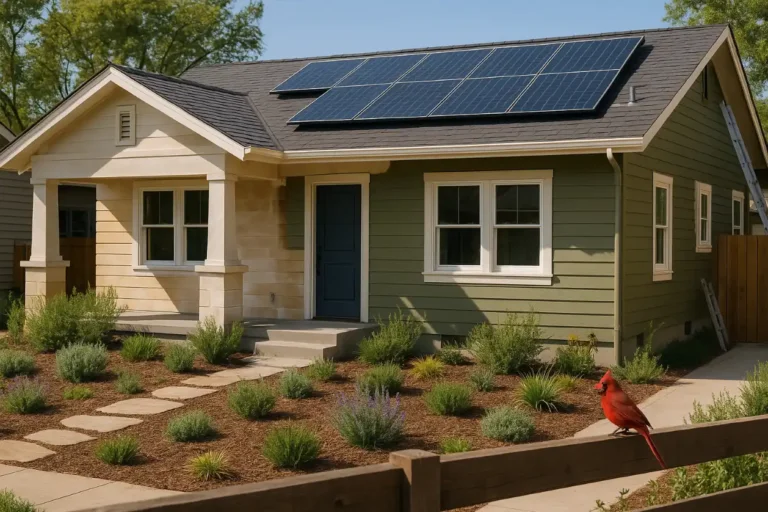
Featured image: AI-generated editorial illustration created for Cardinal Decor. The estimate sheets are illustrative and do not represent actual contractor quotes.