
Peel and Stick Wall Murals: How to Choose, Prep & Install
Peel and stick wall murals can change a room without paste or permanent wallpaper adhesive, but the wall surface matters. Measure the wall first, check the mural maker’s surface and paint-cure requirements, and test a small hidden area before covering a full wall. Smooth, clean, dry walls are the safest starting point.
Use the Wallpaper Calculator to estimate material before ordering. If you already have a mural, jump to the short installation checklist below or use the full peel and stick wallpaper installation guide.
Peel and Stick Wall Murals at a Glance
| Decision | What to Check |
|---|---|
| Wall surface | Smooth, clean, dry, fully cured painted surfaces. Brand rules for flat, matte, textured, brick, or specialty finishes vary. |
| Paint cure time | Follow both the paint and mural manufacturer’s instructions. WallPops says newly painted walls should cure at least four weeks; Tempaper tells installers to follow the paint manufacturer’s full cure time. |
| Size | Measure wall width and height, then compare those dimensions with the seller’s panel or roll coverage. |
| Pattern and panel method | Check whether panels butt together or overlap and whether the mural requires a specific installation order. |
| Removal | Removability is product- and surface-dependent. Test first and follow the maker’s removal instructions. No brand can guarantee every painted wall will be damage-free. |

Visit our Wallpaper Resources page for DIY project guides. Don't forget to use our free wallpaper calculator before you start.
What Is a Peel and Stick Wall Mural?
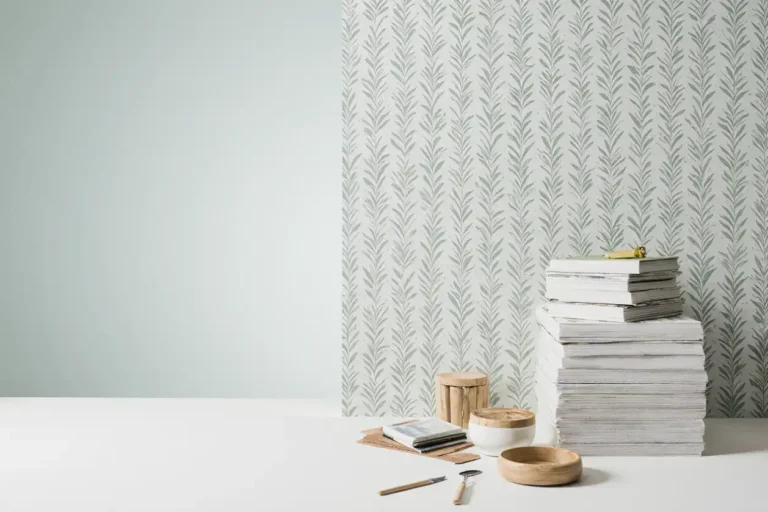
A peel and stick mural is a large-format wall covering with a pressure-sensitive adhesive backing. Murals may arrive as one sheet, several numbered panels, or modular decals. Unlike traditional pasted wallpaper, the adhesive is already on the product.
You still need basic installation tools. A level helps keep the first panel plumb, a wallpaper smoother helps push out trapped air, a tape measure keeps the layout accurate, and a sharp knife is useful for trimming when the manufacturer permits it.
How to Choose a Wall Mural
1. Start With the Wall, Not the Artwork
Check the product’s approved surfaces before buying. Smooth painted drywall is commonly supported, but compatibility with flat paint, matte paint, textured walls, brick, paneling, or specialty coatings varies by brand. If the wall was painted recently, do not install until the required cure period has passed.
2. Measure the Actual Install Area
Measure the wall at more than one point, especially in older rooms where ceilings and corners may not be perfectly square. Compare the finished wall dimensions with the mural’s full assembled dimensions. Do not assume a product called “full wall” fits every wall.
The Wallpaper Calculator can help with standard roll-style products. For made-to-size murals, use the seller’s finished mural dimensions and panel diagram.

3. Compare Material and Finish
Vinyl, fabric-like, paper-based, and other removable wall-covering materials can behave differently. Compare finish, thickness, cleanability, repositioning instructions, fire or material certifications when relevant, and whether the seller publishes installation and removal instructions.
4. Check Panel Seams Before Ordering
Some mural systems use overlapping seams while others use butt seams. That changes how forgiving the install is and how much material you need at the edges. Read the product instructions before trimming or discarding any overlap.
How Much Do Peel and Stick Wall Murals Cost?
There is no useful universal price-per-wall figure. Price changes with finished dimensions, material, print quality, panel count, customization, seller, and whether the mural is made to order. A small decal set and a custom floor-to-ceiling mural are different products, so a single $30-$400 range can be misleading.
Measure first, then compare the total delivered price for the wall size you need. Also check whether the price includes extra bleed for trimming, replacement-panel policies, and returns for custom sizes.

Wall Prep Before Installation
- Clean the wall: remove dust, grease, residue, and cleaning-product film using the method approved by the mural maker.
- Let the wall dry: adhesive should not be applied over a damp surface.
- Allow fresh paint to cure: manufacturer rules differ. WallPops specifies at least four weeks for newly painted walls. Tempaper directs users to follow the paint maker’s cure time.
- Test a hidden area: especially on older paint, uncertain finishes, or rental walls.
- Repair rough defects first: raised patches, flaking paint, loose texture, and debris can interfere with adhesion and show through thin material.

Quick Installation Checklist
- Read the mural’s panel order, seam method, and surface instructions before peeling any backing.
- Use a level to mark the first plumb vertical guide.
- Expose only a manageable section of adhesive at a time rather than removing the full backing at once.
- Align the panel, then smooth from the center toward the edges while gradually removing more backing.
- If alignment is wrong and the manufacturer allows repositioning, lift and reset the section instead of forcing a wrinkle flat.
- Trim only after the panel is correctly placed, using a sharp blade and a safe cutting method.
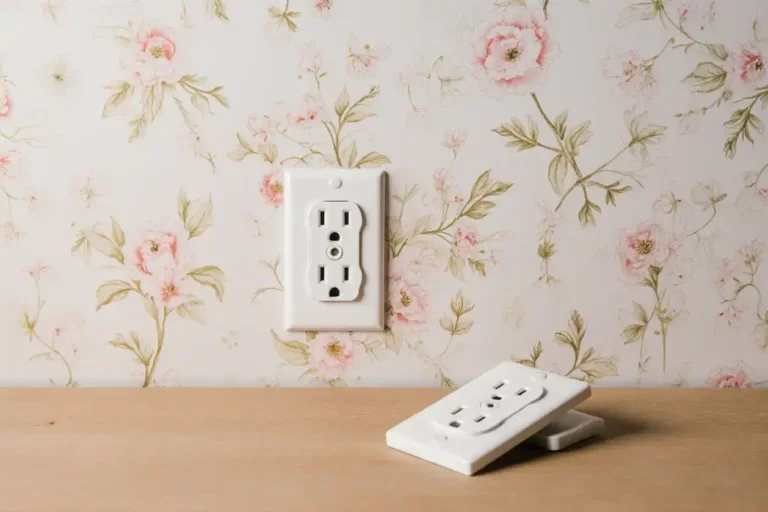
For panel seams, corners, outlets, trimming, and troubleshooting, use the full step-by-step peel and stick wallpaper installation guide.
What to Do About Bubbles
Start by smoothing trapped air toward the nearest edge with a wallpaper smoother. If the product is repositionable, carefully lifting and resetting the affected section can be safer than puncturing the material. Follow the mural manufacturer’s instructions before using a pin or cutting the surface because punctures can remain visible and may void a product warranty.
Can You Remove a Mural Without Damaging Paint?
Sometimes, but it should not be promised. Removal depends on the mural adhesive, paint type and condition, how fully the paint cured before installation, wall preparation, installation time, heat and humidity, and the removal method. Test a small area and follow the product’s instructions. Renters should also check lease rules before installing a large wall covering.
Can You Use a Peel and Stick Mural in a Bathroom?
Only when the specific product permits the location. WallPops says its peel-and-stick wallpaper can be used in bathrooms when it is not directly exposed to water and the room is ventilated. Other products may have different moisture limits. Do not treat a decorative mural as a waterproofing layer for a shower or wet wall.
What About Kids’ Rooms?
Do not assume every peel-and-stick mural has the same material or safety profile. Check the specific product’s material composition, ink and adhesive information, certifications, cleaning instructions, and age-related warnings. If those details are important to your household, choose a maker that publishes them clearly instead of relying on a generic “non-toxic” claim.
Useful Installation Tools
Affiliate disclosure: As an Amazon Associate I earn from qualifying purchases. These are tool-category links, not endorsements of a specific product. Check your mural maker’s instructions before buying tools.
- Wallpaper smoothers for pressing panels and working air toward an edge.
- Precision utility knives for careful trimming when the manufacturer calls for it.
- Levels for establishing the first vertical guide.
- Tape measures for wall and panel measurements.
Peel and Stick Wall Mural FAQs
Do peel and stick murals damage paint?
They can. The risk depends on paint condition, cure time, finish, adhesive, installation length, and removal. Test first and follow the mural maker’s surface and removal instructions.
How long should new paint cure first?
Follow the paint and mural manufacturers’ instructions. WallPops specifies at least four weeks for newly painted walls, while Tempaper tells users to follow the paint maker’s full cure time.
Can a mural go on a textured wall?
Many peel-and-stick products are designed for smooth surfaces and may not adhere reliably to texture. Check the specific mural instructions rather than assuming all removable wallpaper works on texture.
Can I clean a peel and stick mural?
Use only the cleaning method allowed by the manufacturer. Some products can be wiped gently, while inks, coatings, and adhesives differ.
Manufacturer Instructions Checked
Sources checked September 6, 2026. Always follow the instructions for the exact mural you buy because surface, cure-time, seam, bathroom, repositioning, and removal rules vary by product.
Next step: measure your wall with the Wallpaper Calculator, or see all project guides on Wallpaper Resources.