Types of Tile: Best Choices for Floors, Walls, Showers & Outdoors
Choosing between the different types of tile is less about finding the “best” material and more about matching the tile to the surface, moisture, traffic, climate, and maintenance you actually have. Porcelain, ceramic, glass, natural stone, cement, quarry tile, and mosaics can all work beautifully in the right place. The mistake is assuming the material name alone tells you where a product belongs.
Use this guide with the Tile Resource Hub and Tile Calculator to narrow the material first, then check the manufacturer’s floor, wall, wet-area, and exterior ratings for the exact tile you plan to buy.
Types of Tile at a Glance
| Tile type | Best starting uses | Watch for |
|---|---|---|
| Ceramic | Walls, backsplashes, many interior floors | Product-specific floor and wet-area ratings |
| Porcelain | Floors, showers, high-use areas, some exterior projects | Exterior/freeze-thaw approval is still product-specific |
| Glass | Backsplashes, shower walls, decorative accents | Not every glass tile is floor-rated |
| Mosaic | Shower floors, niches, curves, accents | Mosaic describes format, not material or slip rating |
| Natural stone | Floors, walls, fireplaces, baths, feature surfaces | Care and sealing needs vary by stone |
| Quarry / terracotta | Rustic floors, entries, some exterior applications | Porosity and freeze-thaw suitability vary |
| Cement / encaustic | Statement floors and walls | Porous surface, staining risk, maintenance |
| Metal | Backsplashes, wall accents, trim | Scratching, cleaners, and manufacturer use limits |
One important distinction: porcelain is a type of ceramic tile. I separate the two here because stores and homeowners usually shop them as separate product categories. Also, mosaic is a size/format category. A mosaic can be porcelain, ceramic, glass, stone, or another material.
Ceramic Tile: Flexible and Usually DIY-Friendly
Glazed ceramic is a practical choice for backsplashes, shower walls, tub surrounds, and many interior floors. It is often easier to cut than dense porcelain, which can matter on a DIY project with lots of outlets, corners, and trim pieces.
Do not assume every ceramic tile is suitable for every floor or wet area. Check the product’s stated area of use and installation instructions. A decorative wall tile can look similar to a floor tile while being designed for a completely different load and wear level.
Porcelain Tile: Low Water Absorption, but Not Automatically “Outdoor Proof”
The Tile Council of North America defines porcelain tile by water absorption: true porcelain has a water absorption of 0.5% or less under the applicable test method. That low absorption is one reason porcelain is widely used for floors, showers, entryways, and demanding spaces.
But “porcelain” is not a blanket exterior rating. TCNA specifically notes that non-porcelain quarry tile and other products can also be exterior-rated. For patios, porches, and other outdoor work, verify the manufacturer’s stated area of use, climate/freeze-thaw suitability, surface traction, and installation system for that exact tile.
For a deeper comparison, see Ceramic vs. Porcelain Tile.
Glass Tile: Excellent for Light and Color, but Check Floor Ratings
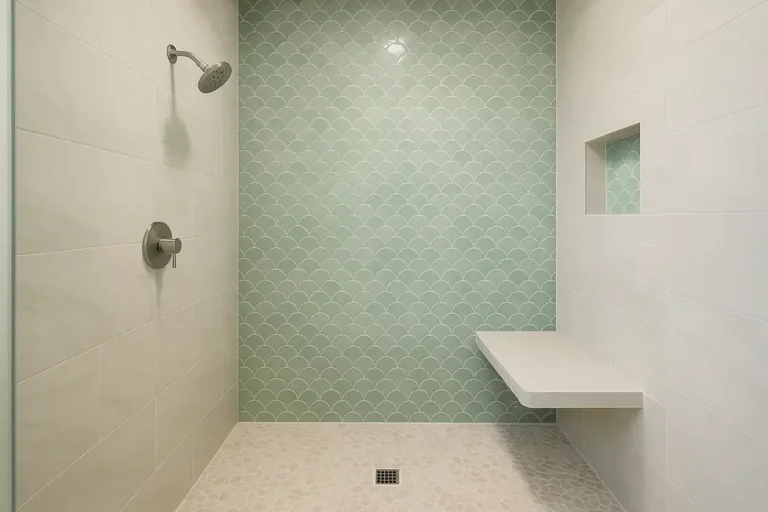
Glass tile is especially useful on backsplashes, shower walls, niches, and accent bands because it reflects light and comes in colors and finishes that are hard to reproduce in ceramic. The glass itself is nonporous, but a tiled shower is only as water-resistant as the complete assembly behind it. Tile and grout are finishes, not a substitute for the required waterproofing system.
Some glass products are rated for floors and pools; others are wall-only. Follow the manufacturer’s application list, mortar recommendations, and backing requirements.
Mosaic Tile: A Format, Not a Material
Mosaics are small tiles supplied individually or on sheets. They are useful on shower floors, niches, curved surfaces, borders, and detailed patterns. More grout joints can add texture underfoot, but that does not mean every mosaic is automatically slip-resistant. The material, finish, joint width, and product testing all matter.
For layout planning, compare options in Tile Layout Patterns and Shower Tile Ideas.
Natural Stone Tile: Beautiful, Variable, and More Care-Sensitive
Marble, granite, slate, limestone, travertine, and other natural stones behave differently because their mineral composition and porosity differ. The Natural Stone Institute recommends matching cleaning products to the stone and avoiding acidic cleaners on acid-sensitive calcareous stones such as many marbles and limestones.
Do not assume every natural stone must be sealed on a fixed schedule. The Natural Stone Institute notes that sealing is common for some stones, but not every stone requires it, and an impregnating sealer improves stain resistance rather than making stone stain-proof. Ask the stone supplier what the specific material needs.
See Natural Stone Tile for a more detailed material-by-material guide.
Quarry, Terracotta, Cement, and Metal Tile
- Quarry tile: a durable unglazed ceramic category often used in entries and commercial-style spaces. Some products are exterior-rated, but verify the exact product.
- Terracotta: warm, handmade-looking clay tile with wide variation in porosity and finish. It may need more stain protection and maintenance than glazed tile.
- Cement or encaustic-style tile: bold color and pattern with a porous surface that can stain if the product is not protected and maintained as directed.
- Metal tile: best treated as a wall and accent category unless the manufacturer clearly approves another use. Cleaning and scratch resistance vary by finish.
Best Tile for Floors, Walls, Showers, and Outdoors
| Project | Good places to start | What to verify before buying |
|---|---|---|
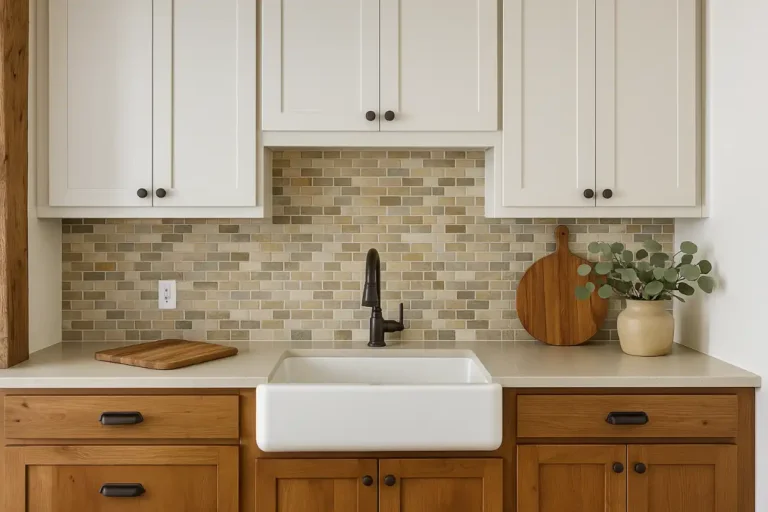
| Kitchen backsplash | Ceramic, porcelain, glass, stone, metal | Cleaning compatibility, stain resistance, edge/trim pieces |
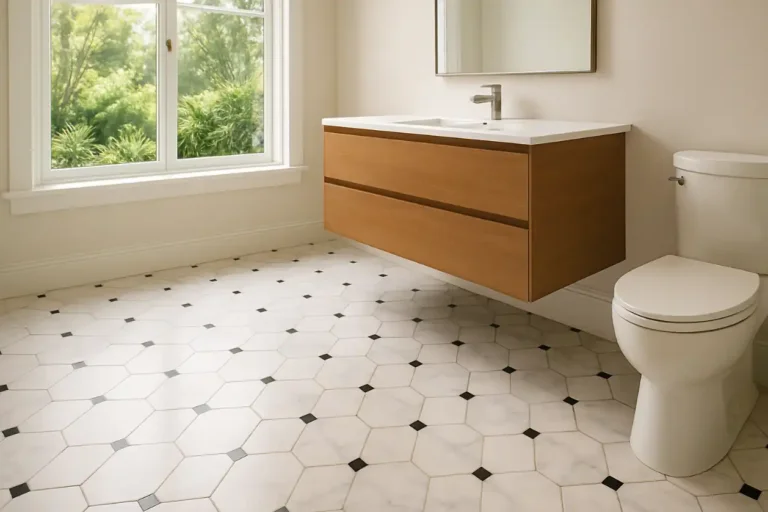
| Bathroom floor | Floor-rated porcelain, ceramic, stone, mosaics | Floor rating, wet traction, cleaning needs |
| Shower wall | Porcelain, ceramic, glass, selected stone | Wet-area approval and complete waterproofing system |
| Shower floor | Wet-floor-rated mosaics and small-format tile | Wet traction, slope compatibility, drain/detail layout |
| High-traffic floor | Durable floor-rated porcelain, ceramic, quarry, selected stone | Wear rating, finish, substrate and movement joints |
| Outdoor patio | Exterior-rated porcelain, quarry, selected stone | Manufacturer exterior/freeze-thaw approval and traction |
Three Checks Matter More Than the Tile Name
- Area of use: Is this exact SKU approved for floors, walls, showers, pools, or exterior use?
- Surface and maintenance: Is the finish practical for wet feet, cooking splatter, pets, grit, and the cleaners you actually use?
- Installation system: Is the substrate flat and suitable, and are the mortar, grout, waterproofing, movement joints, and setting methods appropriate for the tile?
Material choice cannot compensate for a bad substrate or the wrong installation system. If you are planning a floor, also review Tile Floor Installation Pricing before deciding whether the project makes sense as DIY work.
Tile Project Tools
Common tile-project supplies include spacers or leveling clips, a notched trowel sized for the tile, mixing tools, grout floats, sponges, and appropriate cutting equipment. Check the tile and setting-material instructions before choosing tools.
Browse tile installation tools on Amazon
As an Amazon Associate, I earn from qualifying purchases.
Frequently Asked Questions
Is porcelain tile waterproof?
Porcelain is defined by very low water absorption, 0.5% or less, but the finished tiled assembly still depends on the substrate, joints, penetrations, grout, and any required waterproofing membrane.
Can any porcelain tile go outside?
No. Porcelain’s low water absorption is useful, but exterior suitability is product-specific. Check the manufacturer’s exterior and freeze-thaw guidance for the exact tile and climate.
Are mosaic tiles always best for shower floors?
No. Small mosaics can conform well to shower slopes and add grout joints, but the product still needs to be approved for wet floors and appropriate for the shower system.
Does natural stone always need sealer?
No. Sealing can improve stain resistance for many stones, but the Natural Stone Institute notes that not every stone requires it. Follow guidance for the specific stone and finish.
Sources and Standards
- Tile Council of North America: Porcelain Tile Certification
- Tile Council of North America: Porcelain vs. Non-Porcelain FAQ
- Natural Stone Institute: Care & Cleaning of Natural Stone
Bottom line: choose the tile by the project conditions first and the look second. Start with the material family, then verify the exact product’s area-of-use rating before you buy.