Wallpaper vs. Paint: Cost, Durability, Rooms & DIY Difficulty
Quick answer: Choose paint when you want the easiest color change, simpler DIY work, and a lower-complexity refresh. Choose wallpaper when pattern, texture, mural-scale art, or a material effect is the main reason for changing the wall. Cost, lifespan, bathroom suitability, removal, and maintenance depend on the exact products, wall condition, installation, and room.
| If Your Priority Is… | Start With… | Why |
|---|---|---|
| Easy color change | Paint | Repainting usually requires less layout and pattern work |
| Pattern or mural | Wallpaper | Printed detail can be difficult to reproduce with paint |
| Texture | Wallpaper | Grasscloth, embossed, fabric and specialty surfaces add physical texture |
| DIY simplicity | Paint | Wallpaper requires careful measuring, seams, trimming and pattern alignment |
| Fast future color changes | Paint | A new color can often go over a properly prepared painted wall |
| One dramatic feature wall | Wallpaper or mural | High visual impact without covering every wall |
| Rental or temporary design | Product-specific removable wallpaper | Only when the wall finish and removable product are compatible |
Use the Paint Calculator for paint quantity and the Wallpaper Calculator for wallpaper rolls and pattern-repeat planning before comparing project totals. For wallpaper prep, installation, buying guidance, and related project help, visit Wallpaper Resources.

Wallpaper vs. Paint Cost in 2026
Current national estimates are useful for scale, not as a quote for your room.
Angi’s July 2026 room-painting guide reports an average around $1,100, with projects ranging from about $200 to $2,000. Its May 2026 wallpaper-installation guide reports about $325 to $825 for a standard room, averaging around $600. Wall condition, prep, material, pattern, room shape, ceiling height, and local labor can move either project outside those ranges. 2026 room-painting cost data · 2026 wallpaper-installation cost data
Do not compare the sticker price of one gallon of paint with one roll of wallpaper and call the cheaper number the winner. A useful project budget includes:
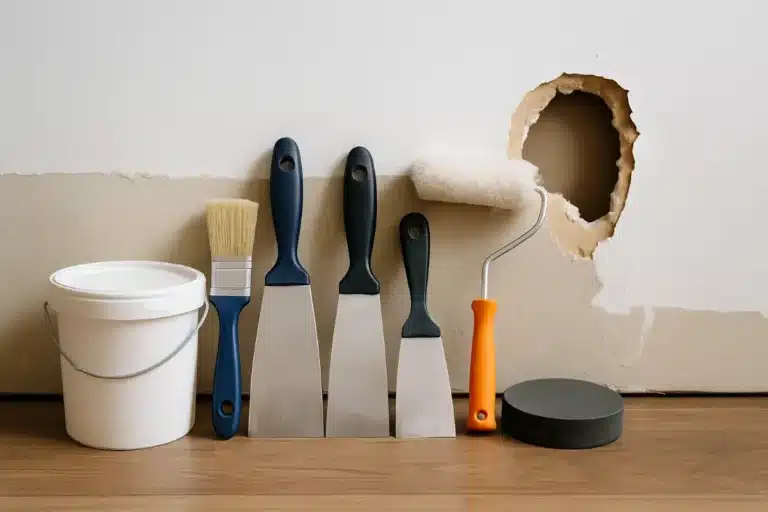
- surface repair and preparation
- primer or sealer when required
- paint or wallcovering material
- pattern-match loss for wallpaper
- brushes, rollers, blades, smoothing tools or other supplies
- trim, ceilings, doors or adjacent surfaces if they are part of the job
- labor when hiring a professional
- old wallpaper removal or difficult color coverage where applicable
Paint Cost Is Easier to Estimate From Coverage
Paint quantities can be planned from paintable wall area and the coverage listed for the exact product. Multiple coats, texture, color changes, porous surfaces, and application method can change actual use.
For current professional painting cost context, Angi reports $2 to $6 per square foot for many interior painting jobs, with room size, height, prep, paint type, trim and ceiling work affecting the total. See Angi’s 2026 interior painting data.
For material quantity, use the Paint Calculator rather than a fixed gallons-per-room rule.
Wallpaper Cost Depends Heavily on the Pattern and Material
Wallpaper pricing varies from basic paper and peel-and-stick products to grasscloth, fabric, murals and custom prints. Pattern repeat also changes how efficiently rolls can be cut.
Angi’s 2026 wallpaper-installation data lists a broad $3 to $8 per square foot range for professional installation including materials and labor, with premium materials and custom murals reaching much higher prices. Prep and old-wallpaper removal can add further cost. See current wallpaper cost factors.
Use the Wallpaper Calculator for matched-drop planning rather than buying wallpaper from wall square footage alone.
Which Is Easier to DIY?
Paint
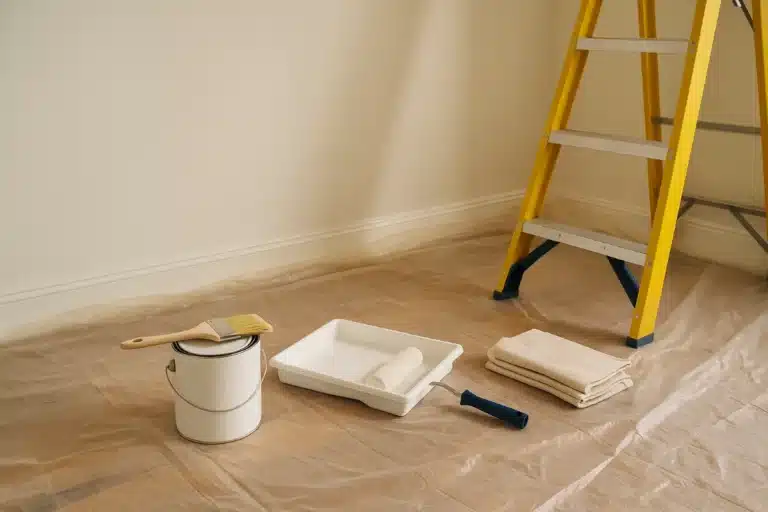
Painting is usually the easier first DIY wall finish because mistakes can often be corrected with sanding, patching, another coat, or a cleaner cut line. The project still requires surface prep, safe ladder use, correct ventilation, and the right paint for the room.
See How to Paint a Room and How to Prep Walls for Painting.
Wallpaper
Wallpaper adds layout decisions that paint does not have: plumb starting lines, panel width, pattern matching, seams, corners, trimming, paste or adhesive method, and material-specific handling.
Simple patterns and some peel-and-stick products can be approachable for careful DIYers. Large repeats, delicate papers, murals, irregular walls, stairwells and expensive specialty wallcoverings can make professional installation more attractive.
Before installation, use How to Prep Walls for Wallpaper.
Wallpaper vs. Paint Lifespan: Avoid Fixed-Year Promises
There is no reliable universal rule that wallpaper lasts 10–15 years while paint lasts 3–10 years.
Service life changes with:
- product quality and material
- sun exposure
- humidity and ventilation
- surface preparation
- installation quality
- children, pets and furniture contact
- washing and cleaning practices
- wall movement and building conditions
- how quickly your design preferences change
A durable wallcovering can remain attractive for many years. A well-chosen paint can too. Decide from the room and product rather than a lifespan promise.
Which Is Easier to Refresh Later?
Paint usually wins when frequent color changes are part of the plan. A properly prepared painted wall can often be cleaned, repaired, primed when needed, and repainted without removing the previous finish.
Wallpaper removal can range from simple stripping to a more involved process depending on the wall prep, primer, adhesive, wallcovering construction, and previous installation.
A properly primed wall can make later wallpaper removal easier. ROMAN’s current wallpaper-primer guidance specifically lists improved strippability as a benefit of wallcovering primer. See ROMAN’s wallpaper primer FAQ.
Wallpaper vs. Paint in Bathrooms
Do not use the shortcut “paint for bathrooms, wallpaper for dry rooms.”
Either finish can succeed or fail depending on the room and product. The bigger questions are:
- Is there an active moisture or condensation problem?
- Does the exhaust ventilation work well?
- Is the wallpaper approved for the intended room and surface?
- Is the adhesive/primer system compatible with humidity?
- Is the paint product intended for the room’s moisture and cleaning demands?
- Will the finish sit inside a direct-splash or wet zone?
Wallpaper should not cover an unresolved moisture problem. EPA notes that moisture control is the key to preventing indoor mold growth. EPA mold and moisture guidance.
Wallpaper vs. Paint in Kitchens
Paint gives you a continuous washable finish when you choose a product intended for the surface and cleaning conditions. Wallpaper can add pattern and texture in lower-splash areas when the wallcovering and adhesive system are suitable for the location.
Near cooking appliances, sinks, heat sources and heavy grease exposure, follow the appliance, wallcovering, paint and installation-product instructions rather than assuming one finish is universally safe.
Which Gives More Design Range?
Wallpaper Is Strongest For
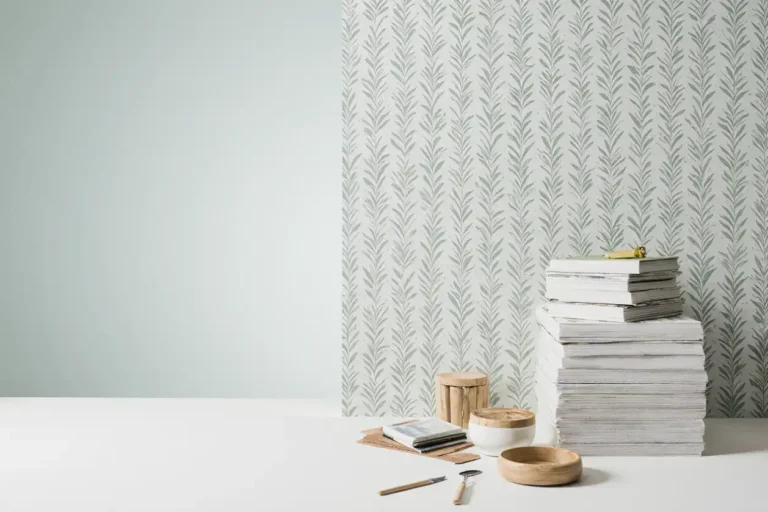
- botanical and geometric patterns
- large murals
- grasscloth and natural-fiber appearance
- embossed or dimensional texture
- repeated motifs that would be difficult to paint by hand
- high-impact feature walls
See Aesthetic Wallpaper: 7 Styles and How to Choose by Room for style directions.
Paint Is Strongest For
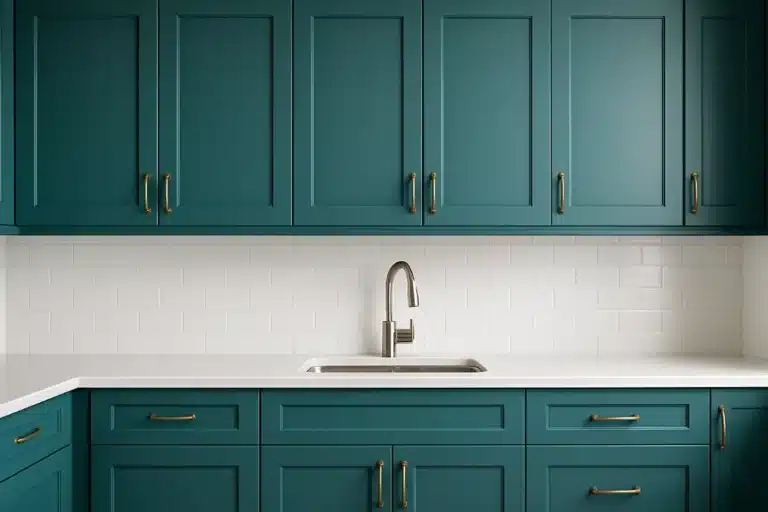
- precise custom color
- continuous color through several connected rooms
- color blocking
- painted trim, doors and built-ins
- color drenching
- cloud capping and ceiling color
- easier future color changes
For more immersive paint ideas, see Color Drenching and Cloud Capping Paint.

Indoor Air Quality: Look Beyond “Low VOC” Marketing
Paint, adhesives, primers, cleaners and other finishing products can release volatile organic compounds or other chemicals during use.
EPA cautions that “low VOC” or “no VOC” labels do not automatically mean a household product is safer from an indoor-air perspective because VOC rules are not the same thing as a toxicity rating. Use products according to their safety instructions and provide ventilation where the manufacturer calls for it. EPA guidance on VOC claims
For wallpaper, review both the wallcovering and adhesive. For paint, review the paint, primer and any specialty coating.
Does Wallpaper Soundproof or Insulate a Room?
Ordinary wallpaper should not be treated as soundproofing or meaningful thermal insulation.
A thick or textile wallcovering may slightly change room acoustics, but it does not replace tested acoustic treatment. A thin decorative wall layer also does not replace wall, ceiling or insulation assemblies designed for thermal performance.
If sound absorption is a real project goal, see Acoustic Slat Wall Panels.
Wallpaper vs. Paint for Renters
Removable wallpaper can be useful in a rental when the landlord permits it and the product is compatible with the wall finish.
Do not assume every peel-and-stick product removes cleanly from every paint. Paint age, sheen, texture, wall preparation and adhesive formulation can all change removal behavior.
Test a small area and follow the removable wallpaper manufacturer’s surface and paint-cure requirements.
What About Resale?
Do not choose wallpaper or paint based on a universal resale ROI percentage.
Buyer response depends on the condition of the room, local market, workmanship, color or pattern, and how easy the finish is to change. A clean neutral paint job may appeal broadly. A well-executed wallpapered powder room or dining room can make a memorable impression. A damaged or highly personalized finish can create another project for the buyer.
If resale is close, prioritize clean surfaces, sound walls, good repair work, and a finish that suits the room rather than chasing a national ROI promise.
Can You Use Wallpaper and Paint Together?
Yes. Some of the strongest rooms use both.
- Wallpaper one feature wall and paint the remaining walls.
- Use wallpaper above wainscoting and paint below.
- Wallpaper the back of built-ins while painting the surrounding millwork.
- Paint the ceiling and trim to pull one color from the wallpaper pattern.
- Use a mural in one zone and a quiet paint color through the connected space.
This approach can reduce wallpaper quantity while still giving the room pattern or texture.
Wallpaper vs. Paint Decision Checklist
| Question | If Yes, Lean Toward… |
|---|---|
| Do you want to change wall color frequently? | Paint |
| Is pattern the main reason for the project? | Wallpaper |
| Do you want a large mural? | Wallpaper |
| Are you a first-time DIYer? | Paint for the simpler learning curve |
| Is the wall uneven or damaged? | Repair first; neither finish fixes a bad substrate |
| Is the room humid? | Choose only products approved for that environment |
| Do you want texture such as grasscloth? | Wallpaper |
| Do you want walls, trim and doors in one color? | Paint |
| Do you want to combine both? | Use wallpaper as the focal finish and paint as the supporting field |
Plan the Project Before Buying
- Calculate paint quantity and cost inputs
- Calculate wallpaper rolls and pattern repeat
- Prep walls for wallpaper
- Choose paint colors for the room’s light
- Visit the Cardinal Decor Project Shop
Wallpaper vs. Paint FAQs
Is wallpaper always more expensive than paint?
No. Wallpaper material, pattern, wall prep and installation can make it more expensive, while premium paint, extensive repairs, trim, ceilings and professional labor can raise painting cost. Compare the actual room and scope.
Does wallpaper last longer than paint?
Sometimes, but there is no universal lifespan. Material, sunlight, moisture, wall prep, installation, cleaning and household wear all affect service life.
Can wallpaper be used in a bathroom?
Some wallcoverings can be used in humid rooms when the manufacturer approves the application and the moisture/ventilation conditions are suitable. Do not cover an active moisture problem.
Is wallpaper harder to remove than paint?
Wallpaper adds a removal step, but difficulty varies widely. Correct wallcovering primer can improve later strippability. Paint usually makes future color changes simpler because the previous finish often stays in place after proper prep.
Which is better for renters?
It depends on the lease and wall surface. Removable wallpaper may work when approved by the landlord and compatible with the paint. Test the product before covering a large area.
Is wallpaper better for soundproofing?
No. Ordinary wallpaper is not a soundproofing system. If sound control matters, choose products with measured acoustic performance and plan the room as an acoustic project.